
about stroke
stroke awareness: learn the signs, save a life
stroke awareness: learn the signs, save a life
A stroke can happen to anyone, anywhere, at any time. It occurs when blood flow to the brain is interrupted, and every second matters. Quick recognition and fast treatment can make all the difference in recovery.

how to help prevent a stroke
While a stroke can happen to anyone, many strokes can actually be prevented. Small, healthy choices made every day can make a big difference in lowering your risk.


Preventing a stroke starts with awareness and action.
By taking care of our bodies and supporting each other, we can build a healthier stronger community—one choice at a time.
By taking care of our bodies and supporting each other, we can build a healthier stronger community—one choice at a time.

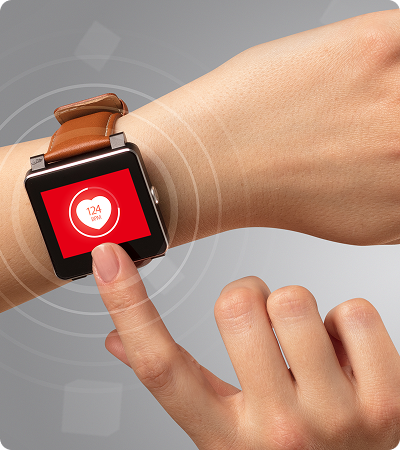
Wearable devices
Wearable devices have introduced an unexpected but powerful means for patients to connect with emergency medical services in the midst of medical emergencies.
Wearable devices have introduced an unexpected but powerful means for patients to connect with emergency medical services in the midst of medical emergencies.
